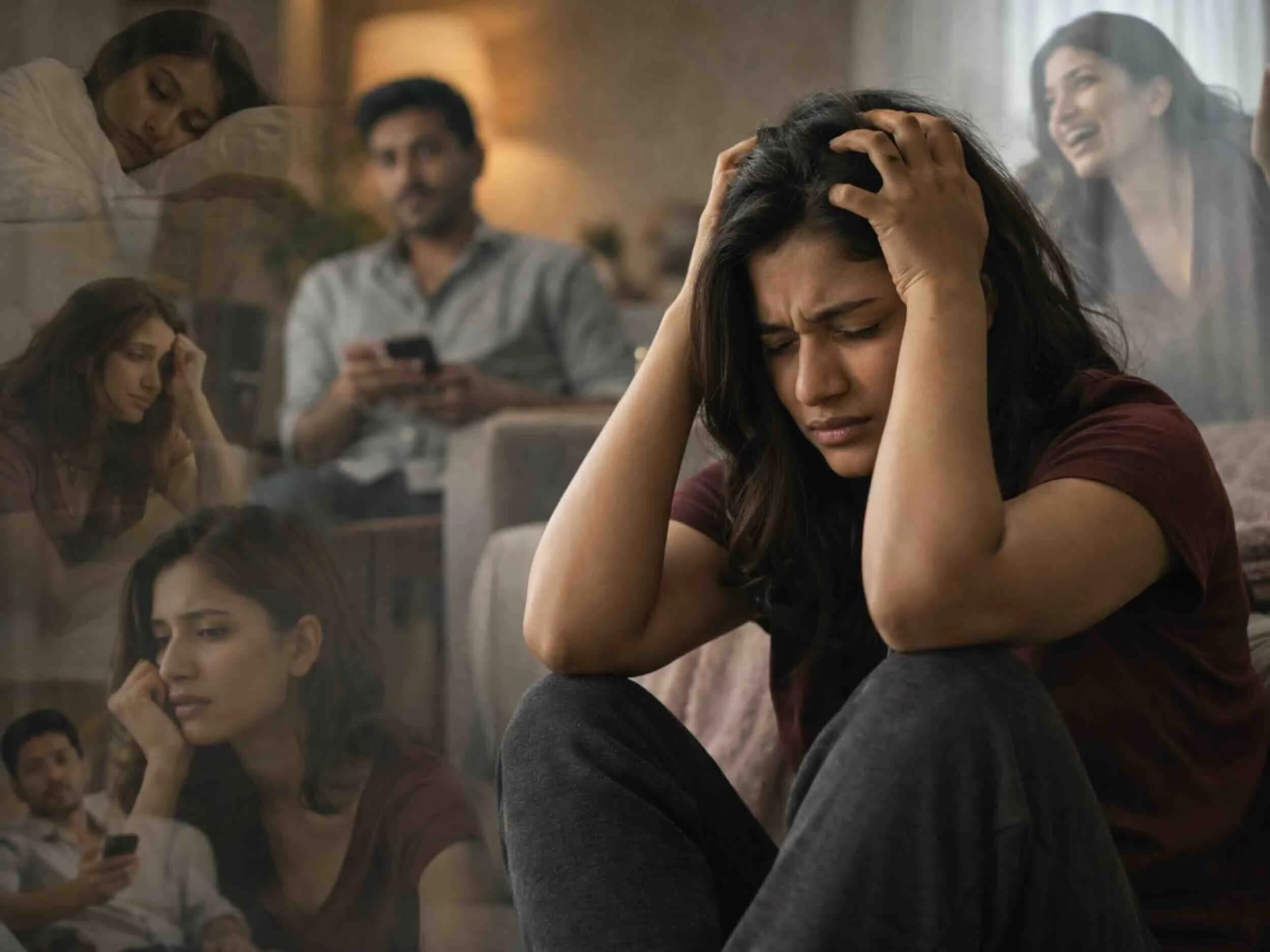
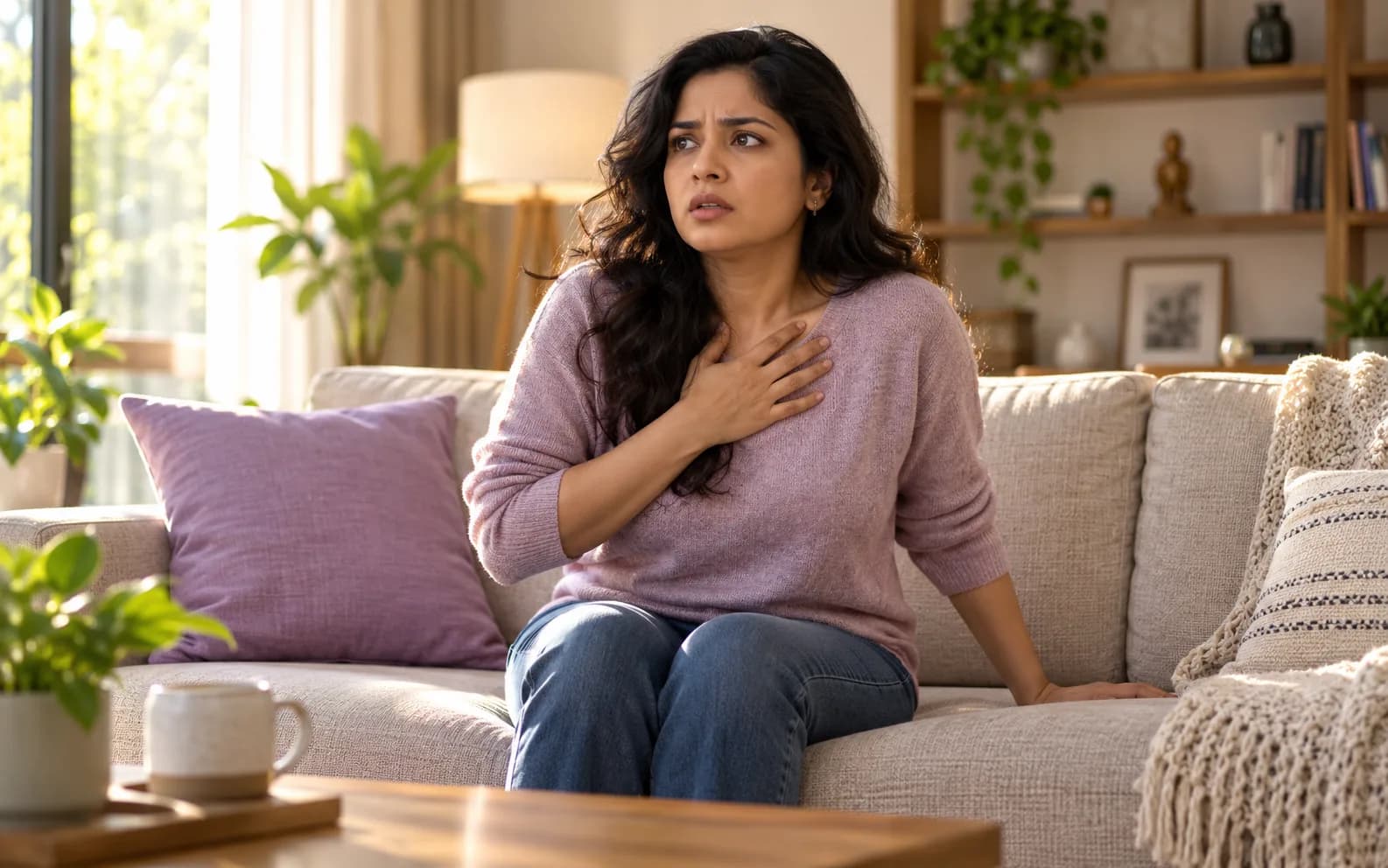
You were doing something ordinary. Standing in the kitchen, sitting in a meeting, lying in bed. Then, with no warning, your heart pounded, your chest tightened and you were certain something was terribly wrong. Afterwards, one question stays with you: why did that happen? Some women go to an emergency department during a first episode, convinced it is a heart attack. Sometimes the tests come back normal, and they go home confused and afraid it might happen again. Chest pain is worth getting checked the first time, and after that, a professional can help you understand what is going on. If this is you or someone you love, what you are feeling is real, and a panic attack in women is not a sign of weakness. This guide looks at common panic attack causes, how a panic attack in women can differ from everyday anxiety, and what can help in the moment and over time.
Panic Attack and Anxiety Attack in Women: Is There a Difference?
People use these words in different ways. Many use anxiety attack in women to describe worry that builds slowly around a stressor, with tension, unease and restlessness. Many use panic attack to describe a wave of fear that can arrive suddenly, sometimes with a racing heart, breathlessness and shaking, and sometimes with no clear trigger. The two can overlap, and you do not need to get the label right to deserve support. An anxiety attack in women often grows out of daily worries about family, money or work. A panic attack in women can come on while you are relaxing at home or even in your sleep. Both deserve care.
What Are the Main Panic Attack Causes?
There is usually no single explanation. Several things together can play a part in a panic attack in women, and they differ from one woman to the next. Hormonal changes. Some women notice more panic around periods, after childbirth and during perimenopause. Life transitions. Marriage, moving into a new family home, pregnancy and children leaving home all bring big emotional shifts. The mental load. Many women manage a job, a household, children and ageing in-laws at once. Carrying all of that can leave the body tense and on edge. Past experiences. A frightening event or a difficult childhood can leave some people on high alert. Everyday habits matter as well. Too much caffeine, skipped meals and poor sleep can make attacks feel worse, and a medical check can help rule out other causes of similar symptoms. Panic attack causes often overlap, which is why a professional looks at the whole picture.
Depression in Moms and Panic: How Are They Connected?
The months after childbirth can be a hard time, and a first panic attack in women sometimes appears then. Sleep loss, hormonal changes and the weight of caring for a newborn can all add up. Depression in moms can look different from constant crying. It can look like exhaustion, irritability, guilt or a fear of being a bad mother. Families often expect a new mother to feel only joy, which can make it hard for her to say how she is really feeling. Some women describe a depression panic attack pattern, where low mood drains energy and confidence, panic leads to avoiding places and people, and avoiding people deepens the low mood. If a depression panic attack pattern sounds familiar, a professional can look at both together. If you are a mother who feels flat, anxious or overwhelmed for a while, please speak to someone. Depression in moms is something a professional can help with. If you have thoughts of harming yourself or ending your life, or you feel unable to keep yourself or your baby safe, get urgent help. Call 112 or go to the nearest emergency department. You can also call the national Tele MANAS helpline on 14416.
Self Check: Could You Be Having a Panic Attack?
During an episode, do you notice some of these? A panic attack in women can bring several at once. A racing or pounding heart. Sweating, trembling or shaking. Shortness of breath or a choking feeling. Chest pain or tightness. Nausea or stomach upset. Dizziness or feeling faint. Feeling unreal or detached from yourself. Fear of losing control or dying. If several of these come on suddenly, it may be a panic attack. This is not a diagnosis. These experiences can happen on their own or alongside other things, and a clinical assessment is what makes sense of the pattern. Chest pain is worth checking with a doctor first, especially the first time.
Anxiety Attack Solutions You Can Use in the Moment
Being told to "just relax" may not help when your heart is racing. These anxiety attack solutions give your body and mind something specific to do. Name it. Say to yourself: "This is a panic attack, and I know what to do." Naming it can take some of the fear out of the fear. Slow your breathing. Breathe in for four counts and out for six. A long breath out can help your body settle. Ground yourself with 5, 4, 3, 2, 1. Notice five things you can see, four you can touch, three you can hear, two you can smell and one you can taste. Give it a few minutes. If you are somewhere safe, try staying where you are for a short while before you decide what to do next. Anxiety attack solutions like these may feel more natural when you practise them on calm days, so they are familiar if a panic attack in women comes on.
What Family Members Can Say to Help
Support from the people around her can make a real difference during a panic attack in women or an anxiety attack in women. Instead of "calm down" or "it's nothing", try: "I am here. Let's breathe together." "This feels awful, and I'm right here." "Would you like some water, or to sit somewhere quieter?" Later, gently encourage her to speak to a professional. If she would like, offer to come along to the first appointment. If you are the one having the attacks, you can show this section to someone you trust.
Which Panic Attack Treatment Options Can Help?
A panic attack in women can feel overwhelming, and repeated attacks deserve proper attention from a professional. Panic attack treatment is something a clinician can talk through with you, so you can choose what suits you. Talking therapy. Therapy can help you understand what your body is doing and respond to it with more confidence. Medication. A psychiatrist can advise whether medication has a place in your care, and can monitor it if it does. Everyday support. Regular sleep, less caffeine, movement and people you can lean on can sit alongside any panic attack treatment. Other anxiety attack solutions, such as mindfulness and breathing practice, can sit alongside a treatment plan.
What Can You Expect at Samarpan Health?
Samarpan Health is an outpatient mental health centre in Mumbai. Our team offers psychiatric consultations, individual and group therapy and psychometric assessments, and supports people with anxiety, depression and trauma. Families can also get support through counselling sessions and free community support groups. Outpatient care means you can stay at home and continue daily life while getting support. To book an appointment, call Samarpan Health on +91 91360 32440.
Frequently Asked Questions About Panic Attacks in Women
Can a panic attack in women feel like a heart attack?
It can. Chest pain, breathlessness and a racing heart can feel alarming. It is wise to get checked by a doctor the first time to rule out other causes.
Can depression in moms cause panic attacks?
They can happen together. Hormonal and sleep changes after childbirth, alongside stress and other things, can affect both, which is why some women describe a depression panic attack pattern.
How long does panic attack treatment take?
It varies from person to person. A clinician can give you a clearer idea after speaking with you.
Conclusion: Panic Is Something You Can Get Support
A panic attack in women is real, and support is available. Understanding the panic attack causes that may apply to you, keeping a few ways to settle yourself in the moment and talking to a professional may help you feel more in control. Whether panic comes alone or as part of a depression panic attack pattern, you do not have to face it alone. If panic is shaping your days, call Samarpan Health on +91 91360 32440.