
Alcohol Use
When drinking has stopped being a choice and started being something you can't control.
Reviewed by our clinical team · Updated October 2026

What is a Alcohol Use disorder?
Alcohol use becomes a concern when it stops being something you're choosing to do and starts being something that's hard to stop, cut back on, or go without. It may be costing you real things such as your health, your relationships, your work, and your sense of yourself. This isn't about how often someone drinks socially. It's about a pattern that's taken on a life of its own.
It can build slowly over years or accelerate quickly during a difficult period. Either way, it's a real and treatable pattern that responds to the right support.
Note: If you're drinking heavily and regularly and thinking about stopping, please don't try to stop suddenly on your own without medical guidance. Withdrawal from alcohol can be medically dangerous, sometimes seriously so, and it needs to be managed safely, not powered through.

Symptoms
- Needing to drink more over time to get the same effect.
- Trying to cut back or stop and finding you can't, even when you want to.
- Spending a lot of time drinking, recovering from drinking, or thinking about your next drink.
- Drinking affecting your work, relationships, or responsibilities.
- Continuing to drink despite real consequences you've already experienced.
- Feeling physically unwell, shaky, anxious, or unable to function without a drink.
- Hiding or downplaying how much you're actually drinking.
- Loved ones expressing concern about your drinking, even if you've brushed it off.

Are you unsure if alcohol use has become a problem?
A short, confidential self-assessment can help you decide whether it's time to talk to someone.
Causes
Alcoholism often runs in families, and genetically, people's bodies and brains respond to alcohol. Stress, trauma, or other mental health struggles like anxiety or depression frequently sit underneath heavy drinking. Alcohol becomes a way to cope even when it makes things worse over time. The environment matters too. Growing up around heavy drinking or being in a culture or social circle where it's constant shapes the pattern. Finally, the longer heavy drinking continues, the more the body adapts to it. This is part of why it gets harder to stop the longer it goes on.

Why treatment matters?
If left unaddressed, this tends to get worse. Damage to physical health over time in the liver, heart, and other organs; strain and breakdown in relationships; and mounting consequences at work or financially. It also carries real safety risks. The risks range from the physical effects of heavy drinking itself to the dangers of stopping suddenly without support. Getting help early while things are still manageable makes a real difference in how the whole process goes.
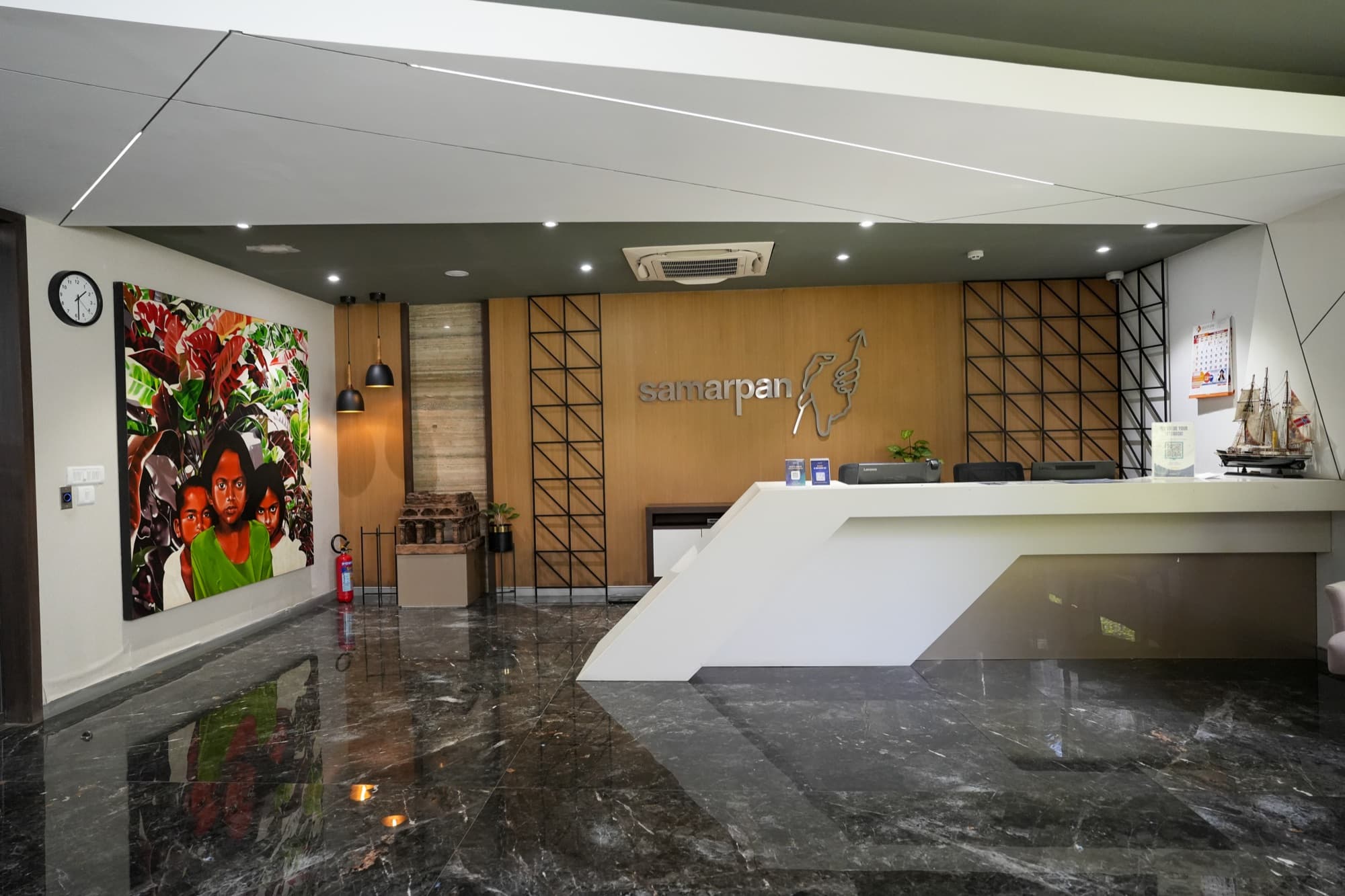
Our approach at Samarpan
We follow a personalised and evidence-based approach tailored to your specific experience with Alcohol support.
Personalised Assessments
We take the time to understand your specific pattern, what's driving it, and what level of care you actually need. This could mean whether that's outpatient support here or medical detox at Samarpan Recovery.
Medical Detox (If Needed)
If your drinking pattern means stopping safely needs medical supervision, we connect you directly with Samarpan Recovery, our sister facility near Pune, for that part of the process.
Evidence-Based Therapy
Once you're medically stable, we work with you on what's underneath the drinking and build real and practical tools for staying on track long term.
Long-Term Support
We stay with you well beyond the initial stretch, since lasting change usually depends on ongoing support.


Frequently asked questions
Not sure where to start?
A care coordinator can talk you through your options and help you book the right first appointment.


Reaching out is the first step.
We are available at the clinic or online.
In crisis or thinking about self-harm? Please contact iCall on 9152987821 — TISS · Mon–Sat, 8am–10pm.