
Gender Dysphoria
Mumbai’s Leading Healthcare Centre
Reviewed by our clinical team · Updated June 2026

What is gender dysphoria?
Gender Dysphoria is a mental health condition in which a person experiences significant emotional distress because their gender identity does not match the sex they were assigned at birth.
This distress can impact daily functioning, relationships, academic or work performance, and overall emotional well-being.

Symptoms of gender dysphoria
- Strong desire to be a gender different from the one assigned at birth
- Discomfort or distress related to primary or secondary sexual characteristics
- Avoidance of social situations due to fear of being misgendered or misunderstood
- Persistent feeling of disconnect between one's internal identity and outward appearance
- Anxiety, depression, irritability, or social withdrawal
- Difficulty focusing on daily tasks due to ongoing emotional distress
Not sure if it's gender dysphoria?
A short, confidential self-assessment can help you decide whether it’s time to talk to someone.
Causes of gender dysphoria
- Biological and developmental factors
- Genetic influences
- Differences in brain structure or functioning
- Social, psychological, or environmental experiences
Why is treatment important?
Without appropriate support, gender dysphoria can lead to:
- Chronic stress and emotional distress
- Anxiety, depression, or social withdrawal
- Low self-esteem or identity confusion
- Difficulties in work, school, or relationships

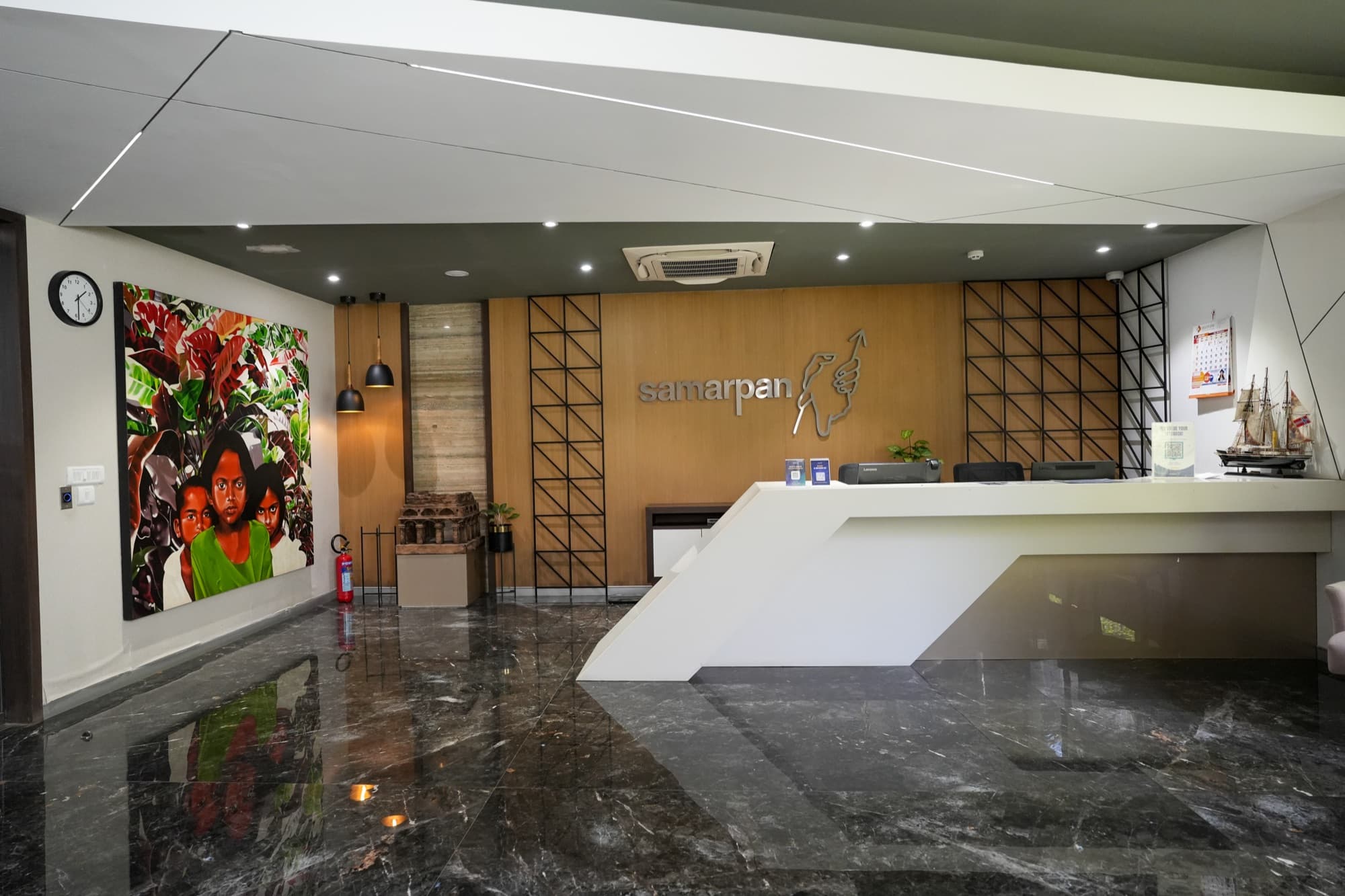
Our approach at Samarpan
At Samarpan Health, we follow a compassionate, personalized, and evidence-based approach to support individuals experiencing gender dysphoria.
Assessment & Diagnosis
A respectful, confidential evaluation to understand your identity, experiences, challenges, and emotional needs.
Therapy
- Supportive individual therapy for identity exploration
- Cognitive Behavioural Therapy (CBT) for anxiety, stress, or emotional distress
- Family therapy (if desired) to build understanding and support
- Guidance for social transition and coping strategies
Medication Support (If needed)
Psychiatric consultation for managing symptoms such as anxiety, depression, or distress. (We provide guidance but do not offer medical transition procedures.)
Long-Term Support & Follow-Up
Regular sessions to support emotional stability, identity comfort, and long-term well-being.
How we can help
Services our team recommends for gender dysphoria — every plan starts with a conversation.


Frequently asked questions
Not sure where to start?
A care coordinator can talk you through your options and help you book the right first appointment.


Reaching out is the first step.
Whenever you’re ready, we’re here — in clinic at Churchgate or online.
In crisis or thinking about self-harm? Please contact iCall on 9152987821 — TISS · Mon–Sat, 8am–10pm.