
Health Anxiety
When you can't stop worrying something's seriously wrong.
Reviewed by our clinical team · Updated October 2026
What is health anxiety?
Everyone worries about their health sometimes, that's normal. This is different. It's a fear that won't let go. It feels like something serious is wrong with your body, even when there's no real evidence for it, or when a doctor has already checked and found nothing. A normal sensation, a headache, an odd heartbeat, a twinge that comes and goes, gets read as a sign of something much worse. The fear that follows doesn't ease off the way it would for most people.
Clinically, this is called hypochondriasis, or illness anxiety disorder. It sits somewhere between an anxiety disorder and OCD. It has the fear and hyperawareness of anxiety, and the repetitive checking and reassurance-seeking of OCD.
It doesn't look the same for everyone. Some people manage the fear by constantly checking their body, their symptoms online, booking test after test, or going from doctor to doctor for the same worry. Others manage it by avoiding it altogether. They skip checkups, stay away from health news, or avoid anything that might set the fear off. Both are ways of trying to handle the same underlying fear, pulling in opposite directions.

Symptoms of health anxiety
- Continued worry that a normal ache, pain, or sensation means something is seriously wrong.
- Checking your body over and over for signs that something is off
- Searching your symptoms online, and usually ending up more anxious than when you started.
- Needing continued reassurance from doctors, family, or friends, that only helps for a little while before the worry comes back.
- Avoiding doctors or health information altogether because it brings up too much fear.
- Struggling to believe a doctor's all clear, even right after normal test results.
- Real physical symptoms such as racing heart, tight chest, stomach upset, that come from the anxiety itself but feel like proof something's wrong.
- The worry takes up so much time or energy that it gets in the way of work, relationships, or daily life.

Are you unsure if it is health anxiety?
A short and confidential self-assessment can help you decide whether it's time to talk to someone.
Causes of health anxiety
This often starts after a real health scare for someone close to you or yourself, especially if it happened suddenly. Growing up around a family member who was often sick, or often worried about being sick, can shape the same pattern early on. Some people are just naturally more tuned in to bodily sensations than others where they notice and react to things most people would brush off. Ongoing stress makes it worse too. A nervous system that's already on edge is quicker to read a normal sensation as danger. Once checking and reassurance-seeking become the go-to response, the pattern tends to feed itself and the relief never lasts long, so the urge to check again keeps coming back.

Why treatment matters?
This doesn't usually get better by waiting it out. If left alone, it tends to take up more and more space over time. It can mean years of tests, procedures, and doctor visits chasing a fear that keeps getting disproven. It wears down relationships, since reassurance-seeking often lands on the people closest to you, and they can run out of ways to help. It can quietly shrink someone's life because the worry never really goes quiet. Sometimes it works the other way too and someone avoids doctors altogether to escape the fear, which means a real health issue could actually go unnoticed. Getting support helps you find a different relationship with uncertainty, one that doesn't take over everything else.


Our approach at Samarpan
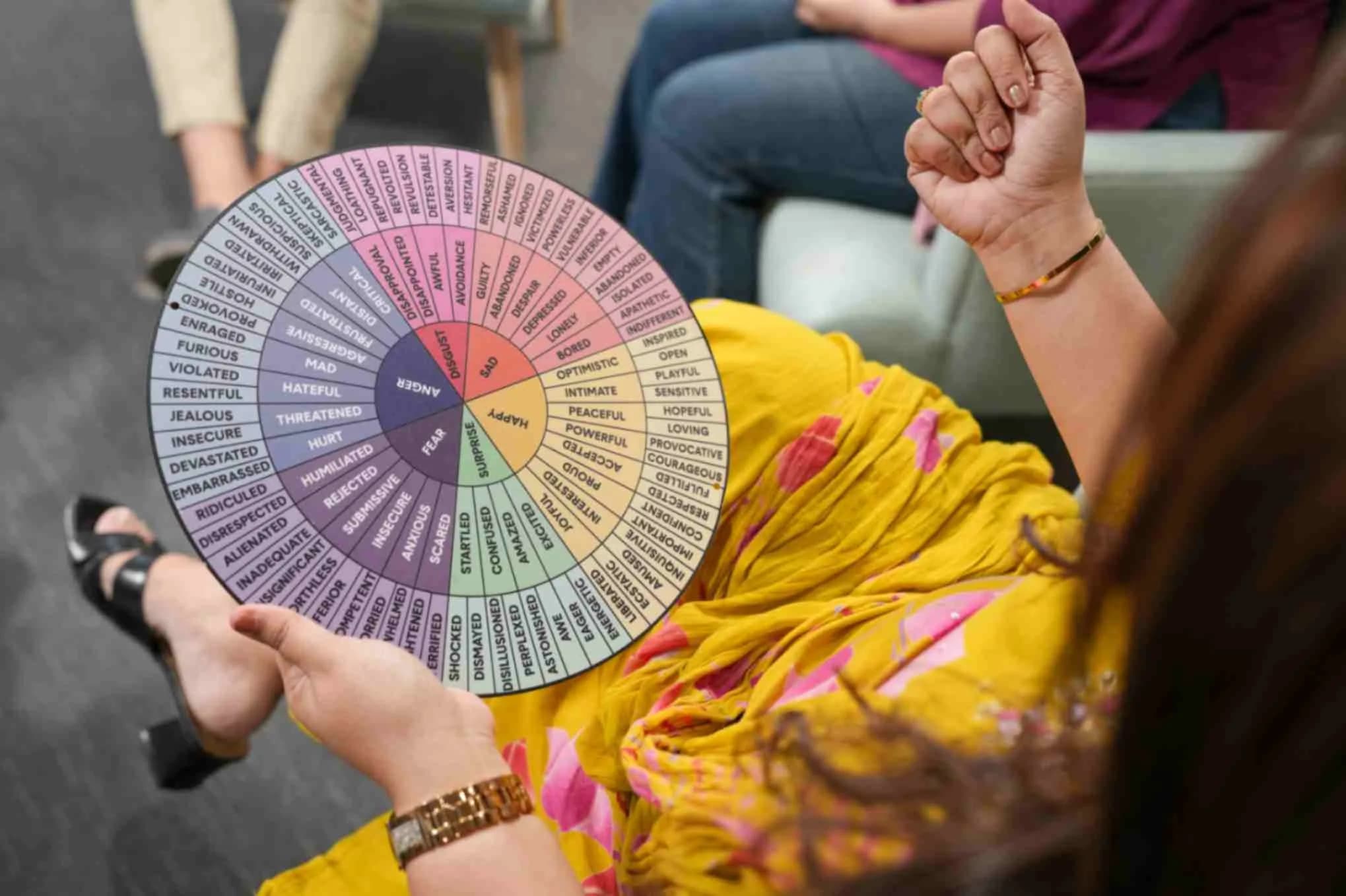
We follow a personalised and evidence-based approach tailored to your specific experience with Health Anxiety support.
Personalised Assessments
We take the time to understand your specific worries, how they show up day to day, and what's been keeping the cycle going, so the plan is actually about you.
Evidence-Based Therapies
We use therapy approaches built for this specific pattern. This will help you gradually ease off checking and reassurance-seeking, and build a calmer relationship with uncertainty and with your own body.
Trauma-Informed Psychological Care
For some people, this is connected to a real health scare or loss in the past that hasn't been fully processed. When it is part of your assessment, we work through it gently and at your pace.
Medical Coordination & Long-Term Support
When required, we coordinate directly with your physician so your care works together rather than at odds. We also stay with you afterward to help the changes actually stick.


Frequently asked questions
Not sure where to start?
A care coordinator can talk you through your options and help you book the right first appointment.


Reaching out is the first step.
We are available at the clinic or online.
In crisis or thinking about self-harm? Please contact iCall on 9152987821 — TISS · Mon–Sat, 8am–10pm.