
Social Anxiety
Mumbai’s Leading Healthcare Centre
Reviewed by our clinical team · Updated June 2026

What is social anxiety?
Social Anxiety Disorder is a mental health condition where a person experiences intense fear, discomfort, or nervousness in social situations due to the fear of being judged, embarrassed, or negatively evaluated.
These fears can affect daily functioning—impacting work, school, relationships, and overall confidence.

Symptoms of social anxiety
- Intense fear or worry in social situations or when meeting new people
- Avoiding social gatherings, public speaking, or group activities
- Excessive self-consciousness and fear of embarrassment
- Rapid heartbeat, sweating, trembling, or nausea in social settings
- Overthinking or replaying social interactions
- Difficulty making eye contact or initiating conversations
- Feeling overwhelmed, isolated, or emotionally drained after social events
Not sure if it's social anxiety?
A short, confidential self-assessment can help you decide whether it’s time to talk to someone.
Causes of social anxiety
- Genetics or family history of anxiety
- Past bullying, criticism, or embarrassment
- Overly stressful or negative social experiences
- Low self-esteem or fear of rejection
- Environmental and personality factors
- Overactive fear response in the brain
Why is treatment important?
When left untreated, social anxiety can lead to:
- Chronic loneliness or social withdrawal
- Depression or generalized anxiety
- Difficulty at work, school, or in relationships
- Panic attacks or low self-esteem
- Avoidance of opportunities that support growth
Evidence-based therapies such as Cognitive Behavioural Therapy (CBT), exposure-based therapy, and social skills training can significantly reduce symptoms and help individuals regain confidence and control.

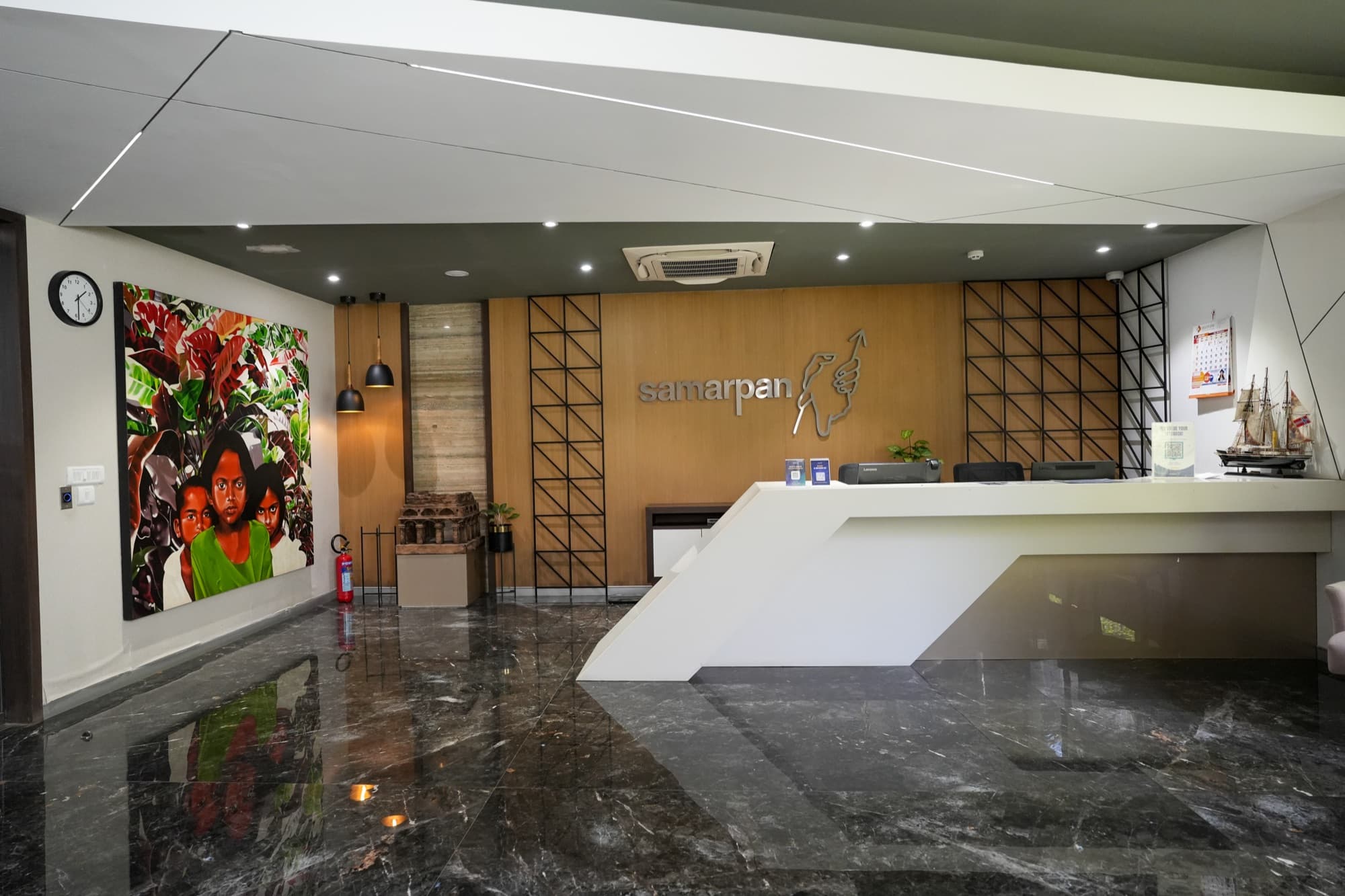
Our approach at Samarpan
At Samarpan Health, we use a personalized, evidence-based treatment model to support recovery from social anxiety.
Assessment & Diagnosis
A comprehensive psychological evaluation to understand your social fears, triggers, and levels of anxiety.
Therapy
- Cognitive Behavioural Therapy (CBT) to challenge negative thoughts
- Exposure-based therapy to gradually reduce social fear
- Social skills training and confidence-building exercises
- Group therapy for practicing communication in safe settings
Medication Support (If Needed)
Psychiatric consultation for managing anxiety symptoms such as panic, restlessness, or excessive worry.
Long-Term Support & Follow-Up
Structured therapy plans typically include 12–16 weekly sessions, each lasting 60 minutes, with continued support over time.
How we can help
Services our team recommends for social anxiety — every plan starts with a conversation.


Frequently asked questions
Not sure where to start?
A care coordinator can talk you through your options and help you book the right first appointment.


Reaching out is the first step.
Whenever you’re ready, we’re here — in clinic at Churchgate or online.
In crisis or thinking about self-harm? Please contact iCall on 9152987821 — TISS · Mon–Sat, 8am–10pm.