
Autism Spectrum Disorder
A different way of experiencing and engaging with the world
Reviewed by our clinical team · Updated October 2026

What is Autism Spectrum Disorder (ASD)?
Autism affects how someone communicates, takes in the world, and processes everything going on around them. It usually shows up early in childhood and stays for life. It's called a spectrum because it looks different from person to person. Some autistic people need a lot of support day to day. Others live pretty independently, and most people fall somewhere in between.
Autism often comes with real strengths too. Deep focus, a great memory, honesty, noticing patterns others miss and real expertise in the things someone's into are some of the challenges of autism. Challenges, things like reading social cues, handling sensory stuff, or dealing with change.
Symptoms of Autism Spectrum Disorder
- Finding it hard to read social cues, keep a conversation going, or build relationships.
- Repeating things, like phrases, hand movements, or rocking.
- Getting deeply into specific topics or interests.
- Sound, light, touch, smell, or crowded places feeling like way too much.
- Struggling with emotions, changes in plan, or unexpected surprises.
- Being really strong in some areas and really struggling in others.

Are you unsure if it's autism spectrum disorder?
A short and confidential self-assessment can help you decide whether it's time to talk to someone.
Causes of Autism Spectrum Disorder
Autism comes down to how the brain develops. Genetics play a big part because autism often runs in families. Things happening before birth or early on can shape it too. There's ongoing research into certain things during pregnancy as well. However, none of this is about anything a parent did or didn't do.
Why support matters?
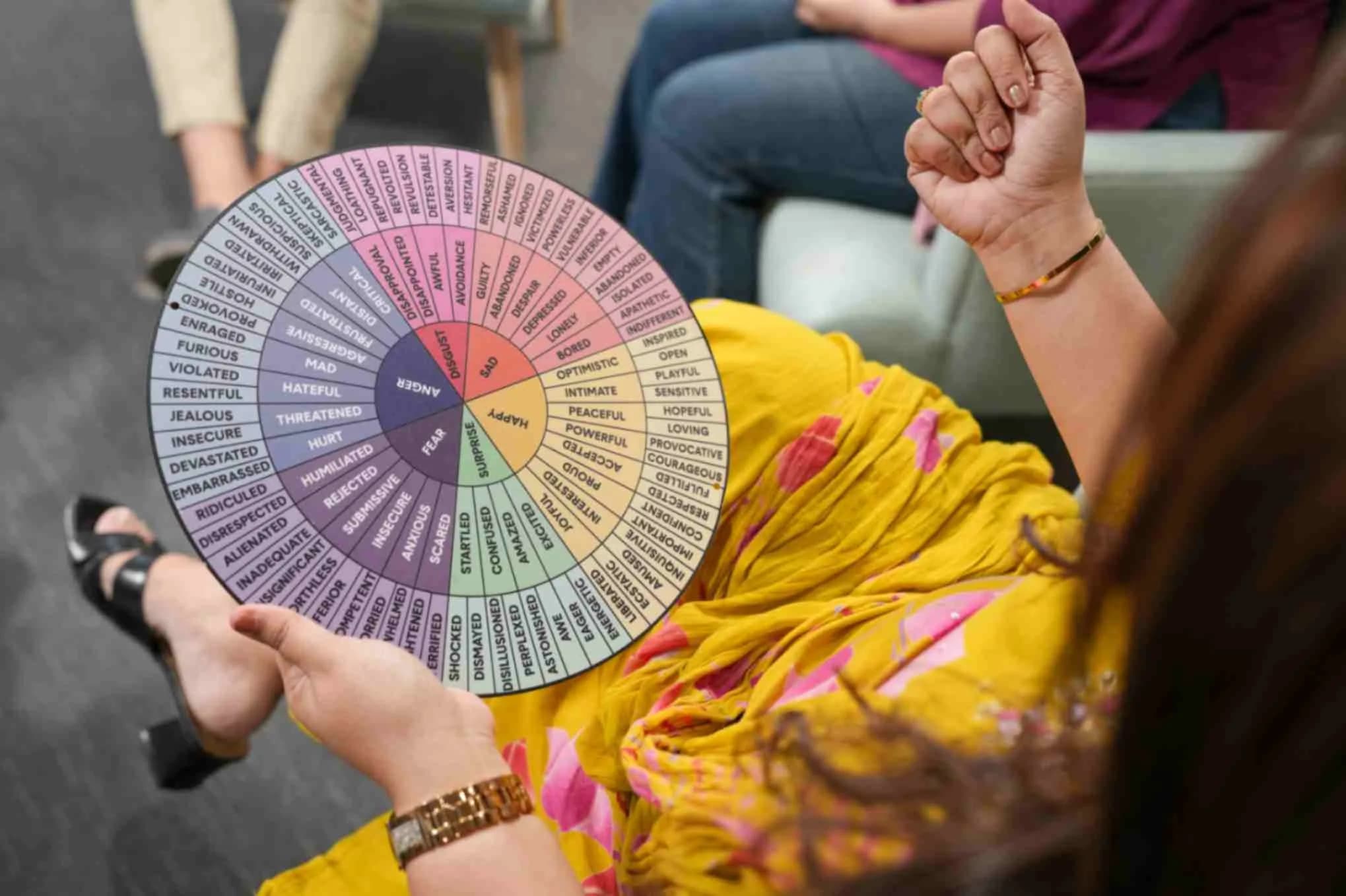
Autism isn't something to fix or cure. It's just a different way of experiencing things. What actually helps is support built around the person, working on communication and social skills where that's wanted, helping with sensory overload, working through big emotions, and getting the right accommodations at school, work, or home. Without support, autistic people and their families can end up struggling more than they need to, at school, or at work, in relationships because the world around them usually isn't built with those differences in mind. Getting the right support early makes a real difference for everyone in the family.


Our approach at Samarpan
We provide personalized and evidence-based care for children, teens, and adults with autism.
Assessment & Diagnosis
A close look at how someone thinks, behaves, and develops, to understand their specific strengths, struggles, and what kind of support would actually help.
Therapy
Support built around the person, social skills practice and group sessions, and guidance for parents and caregivers.
Medication Support (If needed)
When required, a psychiatrist can support things like anxiety, irritability, hyperactivity, or sleep problems that sometimes come alongside autism.
Long-Term Support & Follow-Up
Various specialists help with adjusting with change and ongoing programs.
Services
Every plan begins with a conversation.
 Therapy for AdultsOne consistent therapist who knows your story, inside and out.Learn more Therapy for TeenagersA safe and confidential space for young people to make sense of a complicated world.Learn more Therapy for Couples & FamiliesFor couples and families working through something together.Learn more
Frequently asked questions
Not sure where to start?
A care coordinator can talk you through your options and help you book the right first appointment.


Reaching out is the first step.
We are available at the clinic or online.
In crisis or thinking about self-harm? Please contact iCall on 9152987821 — TISS · Mon–Sat, 8am–10pm.