
Learning Disability/ Developmental Learning Disorder
When your brain processes information differently, not less capably.
Reviewed by our clinical team · Updated October 2026
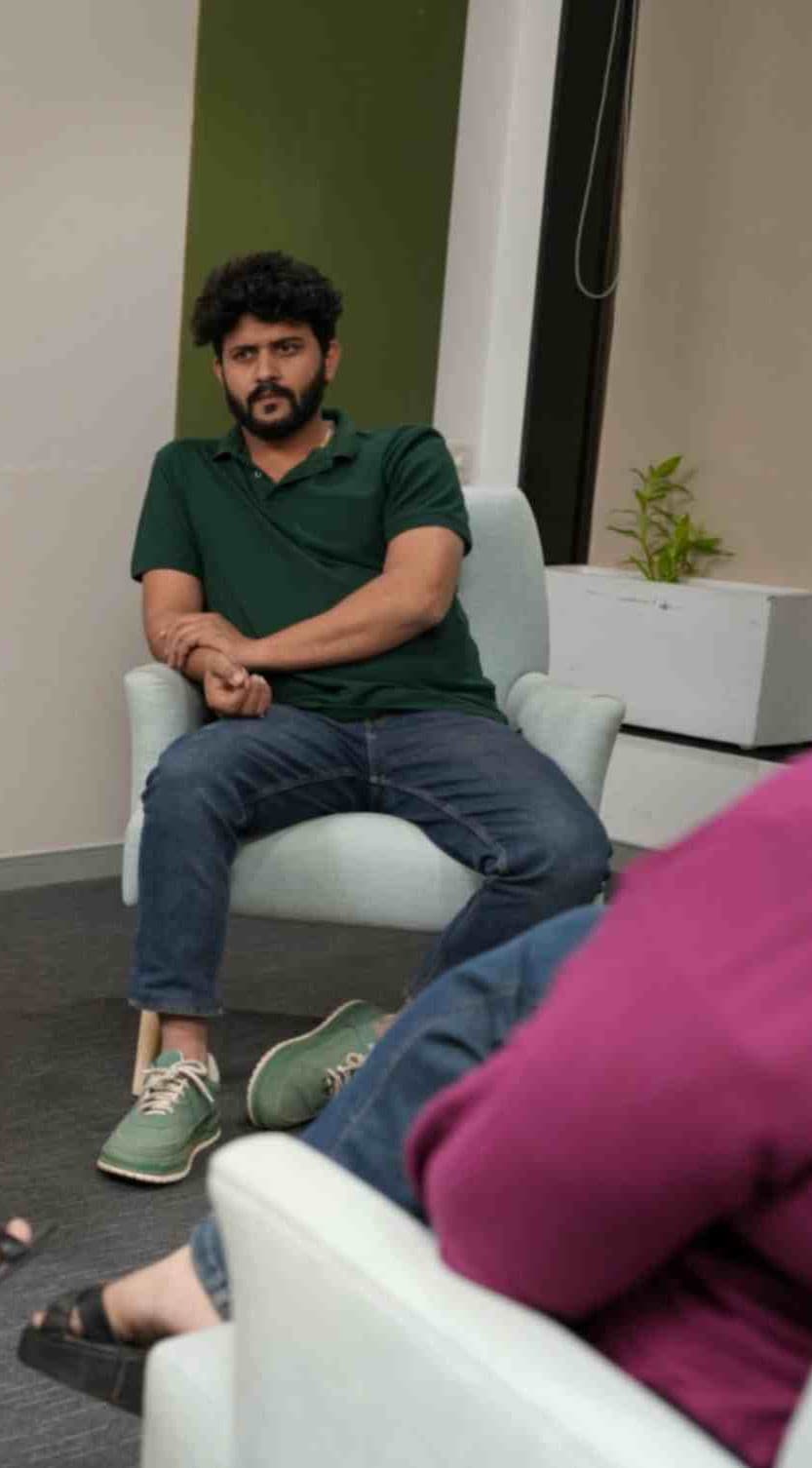
What is a Learning Disability?
A learning disability is a specific difference in how the brain processes certain kinds of information such as reading, written language, or numbers, while everything else works the way you'd expect. It is defined as a specific and persistent difficulty with certain academic skills despite having normal intelligence and proper teaching. It shows up when a child starts learning these skills in school, and it usually stays into adulthood in some form. This is not about intelligence or effort. Many people with a learning disability are just as capable, sometimes more capable, in other areas. They often develop real strengths in problem solving, creativity, verbal reasoning, or seeing the big picture, alongside the specific area that's genuinely harder for them.
Symptoms
- Reading much slower than expected, or struggling to sound out words.
- Difficulty with spelling, grammar, or organizing thoughts in writing.
- Trouble understanding or working with numbers, even basic ones.
- Reading comprehension that lags behind.
- Avoiding reading, writing, or math tasks whenever possible.
- Taking much longer than peers to complete homework or assignments.
- Frustration, low confidence, or anxiety specifically around schoolwork.
- A gap between how bright someone clearly is in conversation and how they perform on paper.
Are you unsure if it is a learning disability?
A short and confidential self-assessment can help you decide whether it's time to talk to someone.
Causes
Learning disabilities are mostly rooted in how the brain processes specific types of information, particularly language and numbers. This isn't something anyone chooses or could simply try harder to avoid. Genetics also play a real role because learning disabilities often run in families. Another aspect is that there may be differences in early brain development. However, a learning disability is not caused by low intelligence, poor parenting, or bad teaching.
Why treatment matters?
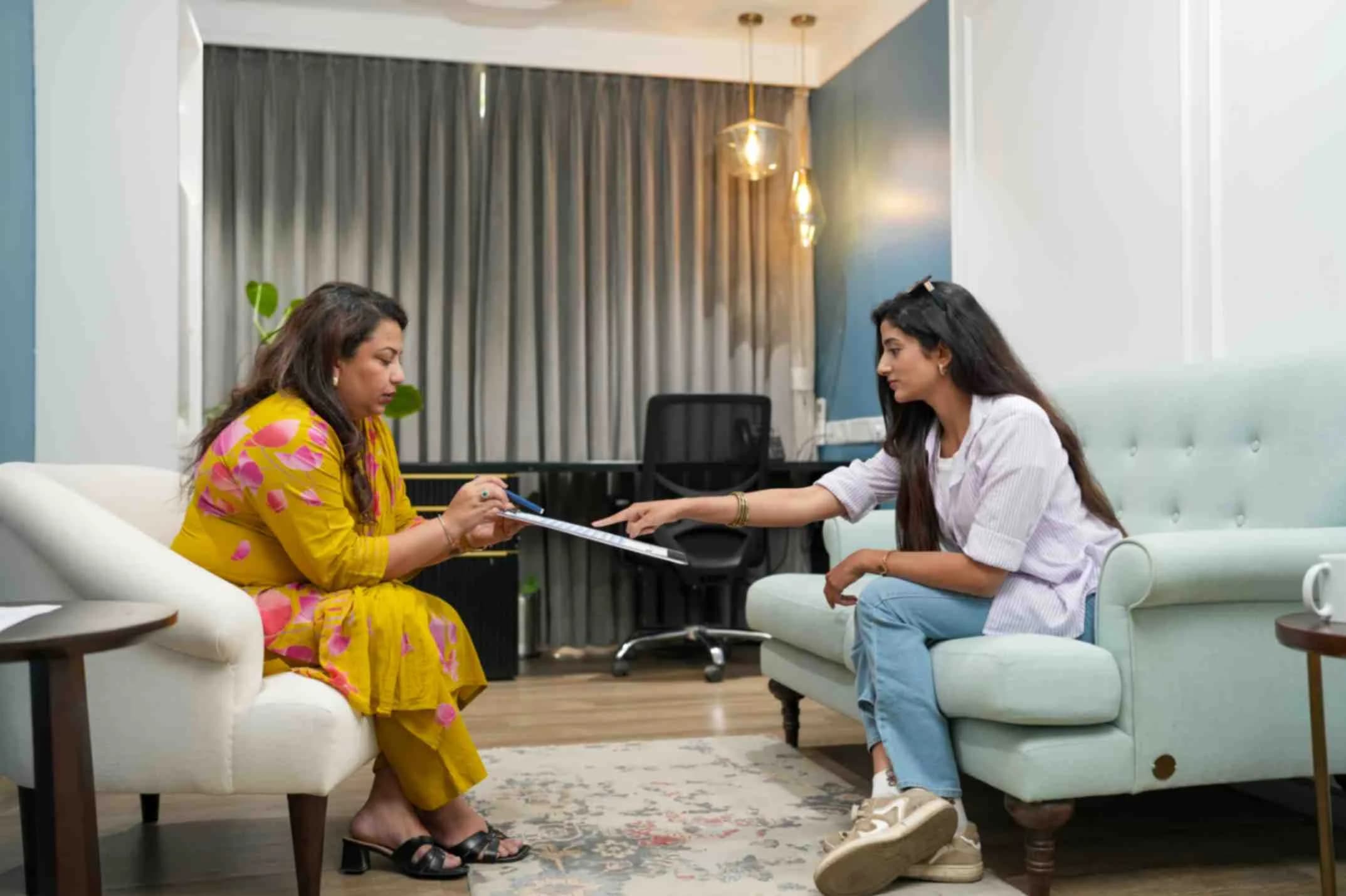
Without the right support, a learning disability can quietly do a lot of damage that has nothing to do with the actual academic skill. Example of the wrong type of support include a child or adult made to feel "not smart enough," chronic frustration and low self-esteem tied to school or work, anxiety that builds around specific tasks, and untapped potential in every other area. Much of the energy goes into struggling with the one thing that's genuinely harder. Getting the right support early changes that story significantly. Most people do very well once they have strategies actually built for how their brain works.
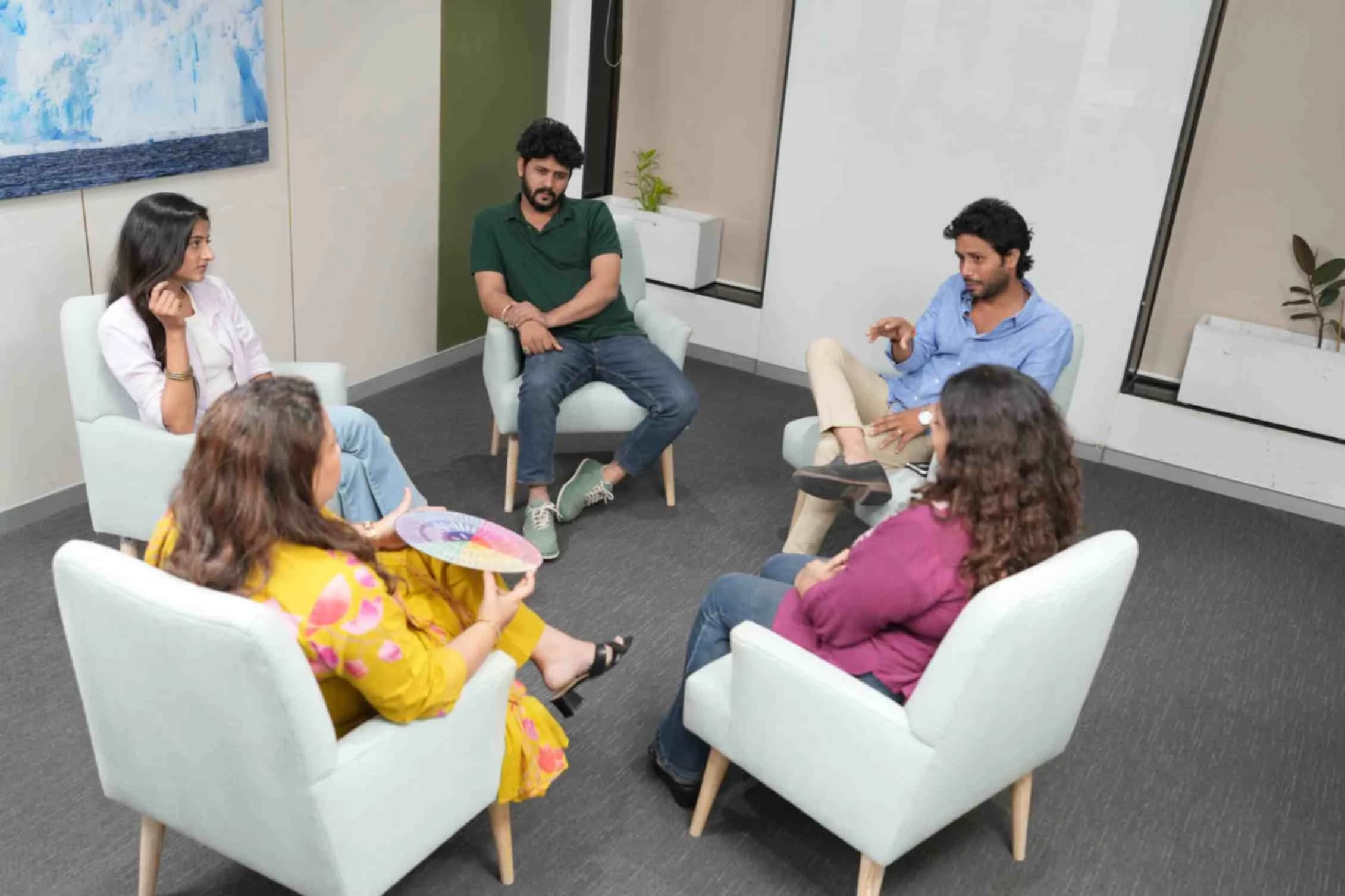

Our approach at Samarpan
We follow a personalised and evidence-based approach tailored to your specific experience with Gender Dysphoria support.
Assessment & Diagnosis
A thorough evaluation is conducted to understand exactly where the difficulty lies, and to rule out other explanations.
Learning Support Strategies
Practical and specific techniques that are suited to the exact type of learning disability is used to help build real skill and confidence.
Emotional Support
A Space to work through the frustration, anxiety, or low self-esteem is provided to help with the build up around years of school-related struggle.
Family & School Coordination
Guidance for parents and, where helpful, coordination with schools are also provided so that the support is in place and consistent across the home and the classroom.

Frequently asked questions
Not sure where to start?
A care coordinator can talk you through your options and help you book the right first appointment.


Reaching out is the first step.
We are available at the clinic or online.
In crisis or thinking about self-harm? Please contact iCall on 9152987821 — TISS · Mon–Sat, 8am–10pm.